
Exploring the hidden motivations behind gambling behavior in casinos
The Psychological Appeal of Gambling
The allure of gambling extends far beyond the potential for financial gain. Many individuals are drawn to the thrill of risk, which activates the brain’s reward systems. This excitement often leads to a euphoric state, making the act of gambling an exhilarating experience. For many, the adrenaline rush can be addictive, prompting them to return for more, even if they experience losses. Additionally, some people are attracted to non gamstop casino uk options, which provide further excitement and opportunities for risk-taking.
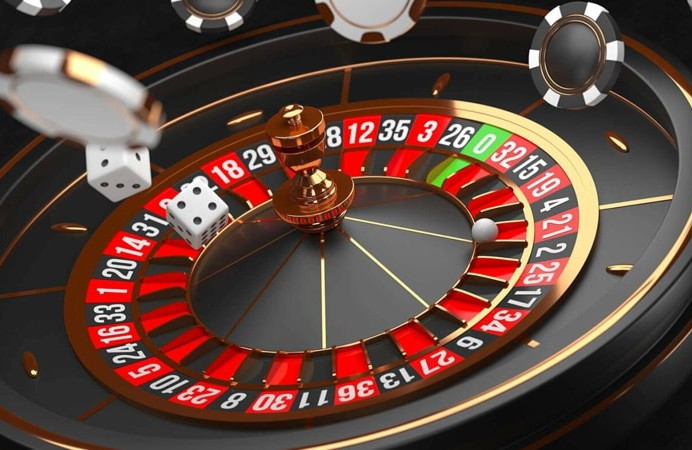
Moreover, gambling can serve as an escape from daily stressors. The immersive environment of a casino, filled with vibrant lights and engaging sounds, helps create a sense of euphoria that can temporarily distract from real-life challenges. This escapism is a significant motivation for many gamblers, allowing them to feel a sense of control and excitement, even if it’s just for a moment.
The Role of Social Interaction
Casinos are inherently social environments, where individuals can connect and engage with others who share similar interests. This social aspect plays a crucial role in motivating gambling behavior. Many people enjoy the camaraderie found at gaming tables or slot machines, where they can celebrate victories or share in the disappointment of losses together.
Additionally, the presence of friends and fellow gamblers can enhance the overall experience. For some, gambling becomes a social event, encouraging them to visit casinos more frequently. This need for connection can often outweigh concerns about potential financial losses, reinforcing the cycle of gambling behavior.
Cognitive biases significantly influence gambling behavior. Many individuals fall victim to the misconception of “hot” or “cold” streaks, believing they can predict outcomes based on recent results. This fallacy can lead to increased betting, as players feel compelled to chase losses or capitalize on perceived winning trends.
Furthermore, the illusion of control plays a pivotal role in motivating gamblers. When individuals feel they have some influence over random outcomes, they are more likely to engage in gambling activities. This sense of control can be intoxicating, prompting them to take risks they might otherwise avoid in other areas of their lives.
The Influence of Marketing and Casino Design
Casino operators employ various marketing strategies and design elements to entice gamblers. From enticing promotions to loyalty programs, casinos use psychological tactics to create an environment conducive to prolonged gambling. These strategies are tailored to enhance the overall experience, making it difficult for patrons to resist temptation.
The layout of a casino is also designed to keep players engaged. With strategically placed machines and games, as well as an absence of clocks and windows, the physical environment contributes to a loss of time awareness. This deliberate design encourages extended play, often leading individuals to gamble more than they initially intended.

About Our Website
Our website is dedicated to exploring the multifaceted world of gambling behavior and its underlying motivations. We aim to provide insightful content that helps individuals understand the complexities of gambling, including the psychological and social factors at play.
Through our articles, we strive to promote awareness and responsible gambling practices. We believe that informed individuals can make better choices regarding their gambling experiences, leading to a healthier approach to entertainment in casinos.