
High-stakes gambling the ultimate risk or reward
Understanding High-Stakes Gambling
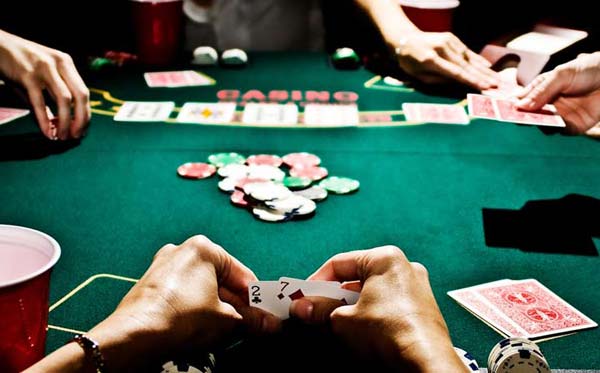
High-stakes gambling refers to wagering substantial amounts of money on games of chance, such as poker, blackjack, or roulette. Players engaged in this form of gambling often seek the thrill that comes from risking large sums for potentially life-changing rewards. The environment is typically charged with excitement, as both the stakes and the rewards are significantly amplified compared to traditional gambling. For example, many players enjoy visiting A Big Candy Casino, where they can engage in a variety of games.
This type of gambling not only attracts seasoned players looking for intense experiences but also those who may be drawn to the glamour and adrenaline associated with high risks. However, it’s crucial for participants to approach this world with caution, as the allure of quick rewards can cloud judgment and lead to substantial financial loss.
The Psychological Aspects of Risk and Reward
The psychology behind high-stakes gambling plays a significant role in a player’s decision-making process. Many gamblers experience a rush of adrenaline when placing high bets, which can create a sense of euphoria and excitement. This “gambling high” can lead to poor financial decisions, as the desire for that adrenaline rush may override logical thinking.
Moreover, the concept of risk versus reward is deeply embedded in human behavior. Players often perceive high-stakes gambling as an opportunity to achieve not only financial gain but also social status. Understanding this psychological dynamic can help players navigate their gambling habits more responsibly, making it vital to find a balance between thrill-seeking and sensible decision-making.
Risks Involved in High-Stakes Gambling
Engaging in high-stakes gambling comes with its fair share of risks. Financial losses can accumulate quickly, leading to debt and potentially life-altering consequences. The temptation to chase losses often exacerbates the situation, pulling players further into a cycle of gambling that can be hard to escape. Recognizing these pitfalls is essential for anyone who participates in this thrilling environment.
Additionally, the pressure associated with high-stakes environments can affect mental health. Stress and anxiety levels can rise dramatically, impacting not only the gambler but also their relationships and personal life. Acknowledging these risks is the first step toward responsible gambling, enabling individuals to make informed choices.
Strategies for Responsible High-Stakes Gambling
While high-stakes gambling can be exhilarating, adopting responsible practices is essential. Setting a strict budget and sticking to it is one of the most effective ways to prevent financial loss. Players should only gamble with money they can afford to lose, ensuring that gambling remains a form of entertainment rather than a source of stress.
Additionally, taking regular breaks and monitoring gambling habits can help maintain a healthy relationship with the activity. Being aware of the signs of gambling addiction, such as increased secrecy or neglecting responsibilities, is crucial for anyone participating in high-stakes games.
A Big Candy Casino: Your High-Stakes Destination
A Big Candy Casino offers a vibrant platform for those interested in high-stakes gambling, blending excitement with responsible gaming practices. Featuring a wide range of games, including real money pokies and classic table options, the casino caters to both seasoned players and newcomers alike.
With a focus on providing a secure and user-friendly experience, A Big Candy Casino ensures that players can enjoy their gambling sessions without undue stress. Regular promotions and a strong community vibe make it an ideal choice for anyone looking to experience the thrill of high-stakes gambling while staying informed and responsible in their gaming pursuits.