
Exploring the historical evolution of gambling From ancient rituals to modern casinos
The Origins of Gambling in Ancient Civilizations
The roots of gambling can be traced back to ancient civilizations, where games of chance were often intertwined with religious rituals. The earliest evidence of gambling dates back to around 3000 BC in ancient China, where rudimentary dice were made from animal bones. These dice were used not only for entertainment but also in divination practices, showcasing how gambling was deeply embedded in the cultural and spiritual lives of early societies. Today, the excitement of games like crazy time continues this tradition of chance, thrilling both participants and spectators alike.

Similarly, ancient Rome embraced gambling as a popular pastime among citizens. The Romans utilized various gaming devices, such as dice, and introduced betting on gladiatorial contests. These activities were sanctioned by the state, illustrating the acceptance of gambling as an integral part of social life during that era.
The Middle Ages and the Rise of Betting
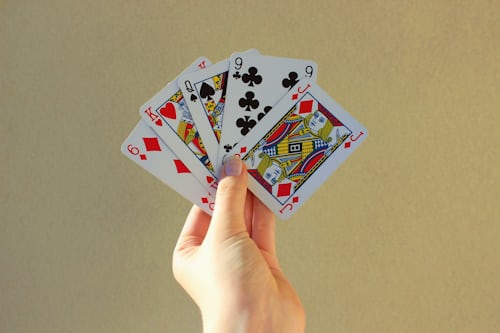
During the Middle Ages, gambling evolved significantly, particularly in Europe. As societies became more structured, the emergence of regulated gambling practices began. The invention of cards in the 14th century introduced a new dimension to betting games, leading to the development of popular card games like poker and blackjack. Gambling houses started to emerge, providing designated venues for betting activities.
This period also saw the rise of lotteries, initially used as a means to fund public projects and state initiatives. While gambling faced periods of prohibition, especially within religious communities, it continued to thrive in secret, reflecting its enduring appeal across different cultures and eras.
The Age of Enlightenment and Gaming Innovations
The Age of Enlightenment brought about significant changes in society’s perception of gambling. As intellectual thought flourished, so did the understanding of probability and strategy, leading to the refinement of gaming techniques. The establishment of formal casinos in the 17th and 18th centuries in cities like Venice and Paris marked a pivotal shift in gambling, transforming it into a sophisticated social activity.
During this time, the rules of games became standardized, making them more accessible and appealing to a wider audience. Casino culture blossomed, and gambling became associated with luxury and elegance, attracting not only the wealthy but also those seeking the thrill of chance.
The Modern Era: Regulation and Online Gambling
The 20th century saw gambling undergo dramatic transformations with the advent of technology and legislative changes. The legalization of casinos in various parts of the world, especially in the United States with the iconic Las Vegas Strip, revolutionized the gambling landscape. These establishments combined entertainment, luxury, and a wide array of gaming options, setting a new standard for what casinos could offer.
With the rise of the internet in the late 20th century, online gambling emerged as a game-changer. Players could now enjoy casino games from the comfort of their homes, leading to exponential growth in the industry. Regulatory frameworks began to develop around online gambling, ensuring player protection and fair practices, thus paving the way for the thriving online casino market we see today.
Your Guide to Understanding Gambling’s Rich History
As we explore the historical evolution of gambling, it becomes clear that this activity has evolved far beyond mere games of chance. Its journey reflects broader societal changes, technological advancements, and cultural shifts. Understanding this rich history enhances our appreciation of modern gambling, whether it be in traditional casinos or online platforms.
By delving into the past, we can better comprehend the complexity and variety of gambling today. For those looking to experience the thrill of gambling, learning from this history can provide valuable insights into gaming strategies and the cultural significance of games throughout the ages.